
DUTTON RANCH Episode 3 Ending Explained
Episode 3 of Dutton Ranch continues the gritty expansion of the Yellowstone universe, delivering an hour packed with tension, emotional fallout, and the growing realization that life in Texas may become even more dangerous than life in Montana ever was. While the first two episodes focused heavily on reintroducing Beth and Rip in a new environment, this chapter begins tearing apart the fragile stability they were trying to build. By the end of the episode, nearly every major character is standing on unstable ground, and the future of the ranch suddenly feels uncertain.
The biggest storyline revolves around Rip and the devastating discovery spreading through his cattle herd. Earlier in the season, Rip purchased cattle at auction, unknowingly buying animals infected with foot-and-mouth disease. The cruel twist is that these were the same cattle Buler had originally shown interest in, making the entire situation feel suspicious and potentially deliberate. At first, only one cow appeared infected, but by the end of the episode another animal had contracted the disease, confirming Rip’s worst fears that the infection may already be moving through the entire herd.
This is catastrophic for the Dutton operation. Foot-and-mouth disease spreads rapidly among livestock, and if the outbreak grows, Rip could lose every animal on the ranch. Beyond the financial damage, the infection would permanently stain the ranch’s reputation. No buyer wants beef associated with disease, and in Texas, reputation is everything. Beth and Rip are trying to establish themselves as legitimate competitors in a territory already dominated by powerful families, so this outbreak could destroy them before they even truly begin.
The emotional weight of this storyline comes from how quickly hope turns into despair. Earlier in the episode, Rip and Beth are shown together peacefully guiding cattle toward water, almost looking as if they have finally found a fresh start. By nightfall, that dream is collapsing in front of them. Rip stares helplessly at another infected animal, realizing the nightmare is only beginning. The sequence feels symbolic of the entire series: every moment of happiness for the Duttons is eventually followed by violence, tragedy, or loss.
There’s also a strong possibility that the young calf Rip rescued from the fire earlier in the season may become infected as well. If that happens, it would represent more than just another dead animal. That calf symbolizes survival and hope for the future of the ranch. Losing it would emotionally reinforce the idea that Texas is slowly stripping away everything the Duttons tried to rebuild.
At the same time, Rip is carrying another dangerous secret that could destroy him long before the disease does. In the previous episode, he discovered Wes’s body buried on the ranch and secretly disposed of it himself. Instead of reporting it to authorities, Rip handled the situation alone, and that decision may come back to haunt him. His fingerprints are now connected to the body, the bag used to move it, and even the weapon involved in the earlier confrontation. In trying to protect the ranch, Rip may have unintentionally incriminated himself.
This is where Buler becomes extremely important. She views the Dutton Ranch as competition and has no interest in allowing Beth and Rip to establish power in Texas. If she finds an opportunity to weaponize Wes’s death against Rip, she almost certainly will. Sending Rip to prison would eliminate a rival while protecting her family’s influence in the region. The episode strongly hints that this storyline is far from over and that Rip’s instincts may finally fail him.
Another emotional revelation comes through Zach Moss. The series finally explains the tragedy that sent him to prison years ago. Zach reveals he was deeply in love with a woman named Theresa, but during an argument he accidentally backed a truck into her, killing her. The scene reframes Zach entirely. Up until now, there has been uncertainty about what kind of man he truly is, but this confession shows he is not a cold-blooded killer. He is a broken man who made one devastating mistake that destroyed his life.
His story also mirrors one of the show’s central themes: in this world, a single bad moment can define your entire existence forever. Rio Paloma is described as a place with a “long memory,” and that line likely applies to both Zach and the Duttons. Just as Zach can never escape his past, the ranch may never recover if word spreads about the disease outbreak. The series keeps emphasizing how quickly reputation becomes destiny in ranch culture.
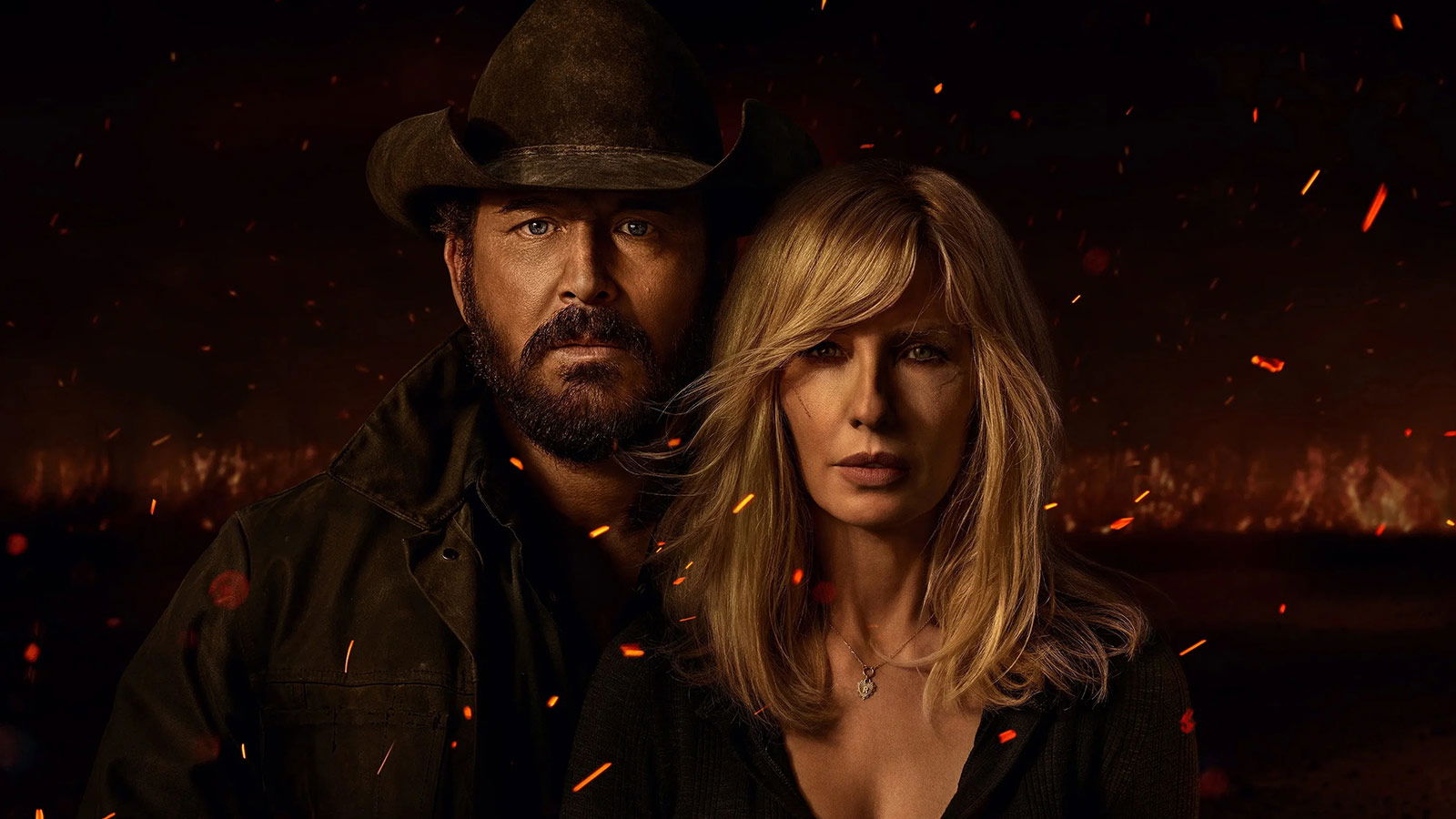
Meanwhile, Beth spends most of the episode fighting a completely different battle. While Rip handles the chaos on the land, Beth attacks the business side of the war. She meets with Charles, a hotel owner, attempting to secure a deal that would place Dutton beef in his hotels. Beth understands she’s no longer operating from a position of dominance like she did in Montana. In Texas, Buler’s empire overshadows her, forcing Beth to adapt and prove herself all over again.
Still, Beth’s confidence and intelligence remain her greatest weapons. She successfully impresses Charles, showing that the Dutton name still carries influence far beyond Yellowstone territory. For a moment, it appears she may have secured the major breakthrough the ranch desperately needs.
But the timing could not be worse.
As Beth returns home and sees another infected cow, she realizes the entire deal may collapse before contracts are even finalized. If news of the outbreak reaches the hotel industry, nobody will want Dutton beef associated with their business. Worse yet, if Buler learns about it, she could deliberately spread the information throughout the market and destroy Beth’s chances entirely.
The episode cleverly balances Beth’s confidence with vulnerability. She remains fierce and intimidating, but for the first time in a long while she feels genuinely outmatched. In Montana, Beth understood the battlefield. Texas is different. She’s no longer the most feared figure in the room, and the show is exploring what happens when someone used to controlling everything suddenly loses that control.
Beth also encounters Waquen during the episode, and it’s revealed that he is not actually Buler’s biological son. Beth jokingly compares him to Jaime Dutton, which acts as a clever callback to Yellowstone. The comparison works because Waquen occupies a similar role: intelligent, calculating, and caught in the complicated politics of a powerful family. He recognizes the threat the Duttons represent and begins watching Beth carefully, understanding they intend to build something significant in Rio Paloma.
Carter’s storyline may appear smaller compared to the ranch crisis, but it could become one of the season’s most dangerous arcs. Since leaving Montana, Carter has struggled to find identity and belonging. His behavior increasingly resembles a younger Rip, especially in the way he throws himself into protecting Oriana.
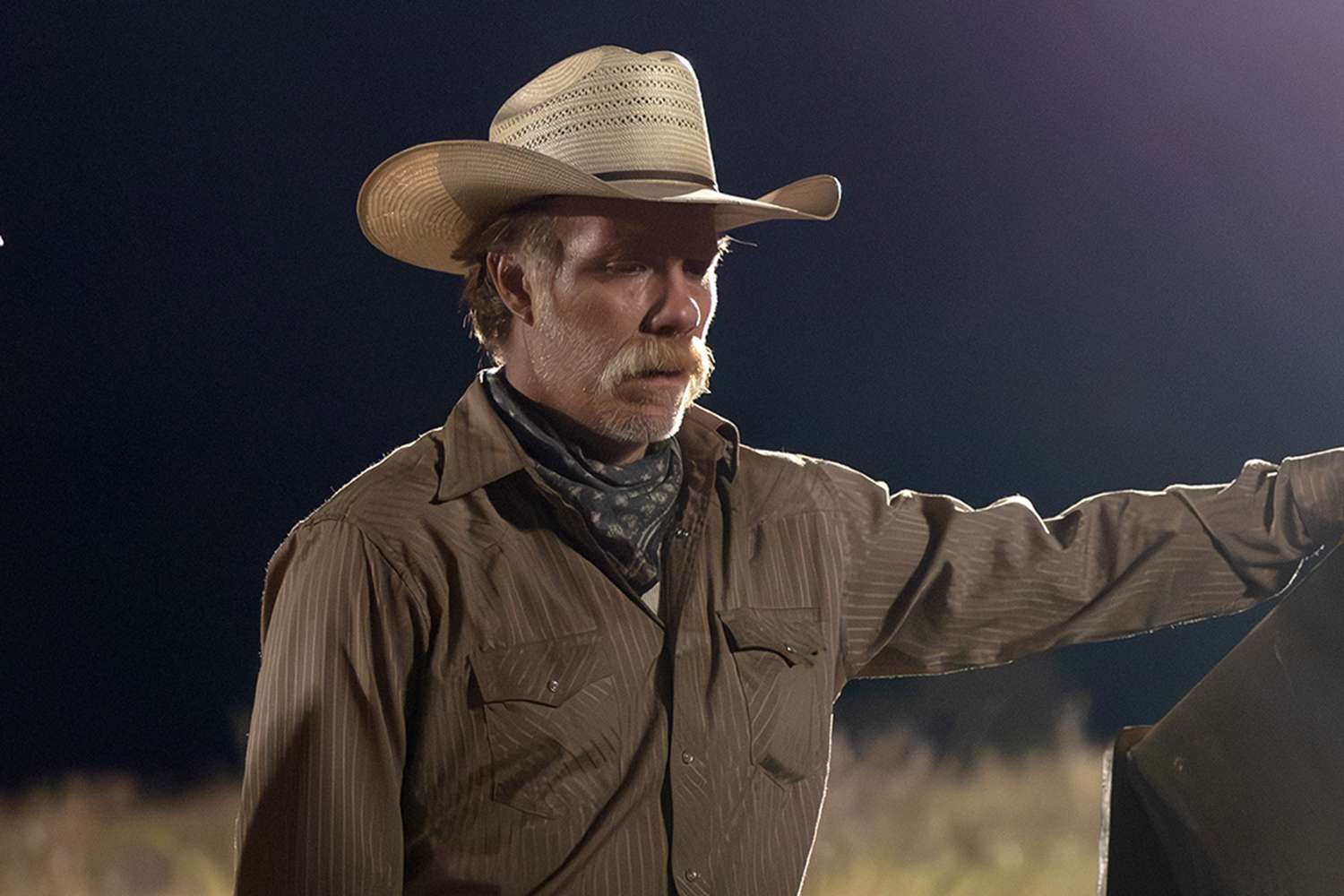
:max_bytes(150000):strip_icc():focal(749x0:751x2)/marc-menchaca-dutton-ranch-051326-1-4e20809c04e44f36a84d75c0844b1206.jpg)
Oriana seems kinder than the manipulative girl Carter encountered earlier in the season, but she is still leading him into trouble. Throughout the episode, Carter becomes increasingly entangled in her messy personal life, particularly involving her boyfriend. The two vandalize the boyfriend’s vehicle, triggering a confrontation where the boyfriend storms outside armed and threatens Carter directly.
That moment feels like a warning for what’s coming next. Carter is entering a world fueled by pride, violence, and revenge, and he lacks the emotional maturity to navigate it safely. The relationship between Carter and Oriana also symbolically represents two hostile families becoming connected. If their relationship deepens, it could ignite even larger conflicts later in the season.
The episode also spends considerable time developing Buler herself. Rather than portraying her as a simple villain, the series reveals how much pressure she is under maintaining control over her family empire. She manipulates law enforcement, bribes witnesses, and desperately works to contain fallout connected to Wes’s death. One particularly tense moment shows her bribing a hospitalized worker into silence, while another reveals that Wes’s wife Whitney has already disappeared before Buler could reach her.
The cracks in Buler’s authority are becoming impossible to ignore. Her family is chaotic, disloyal, and increasingly unpredictable. Rob Will remains the biggest liability of all — reckless, violent, and unstable. Even Buler seems aware that he may eventually destroy everything she built.
Ironically, the only truly loyal person in her orbit is the son who is not biologically hers. Her husband is disconnected, her granddaughter wants nothing to do with the family legacy, and her control over Rio Paloma is slowly slipping. In many ways, Buler and Beth are mirrors of one another: both powerful women desperately trying to hold together families that seem destined to self-destruct.
Overall, Episode 3 works because it focuses less on explosive action and more on mounting pressure. Nearly every scene carries a sense of dread. Whether it’s infected cattle, secret murders, business negotiations, or Carter’s reckless decisions, the episode constantly reminds viewers that disaster is approaching from every direction.
The pacing is slower and more intimate than the previous episodes, but that actually strengthens the storytelling. Instead of rushing into chaos, the show allows the audience to fully absorb this new world and understand the fragile relationships forming within it. The Texas landscapes continue to play a huge role in creating atmosphere as well, with sweeping ranch visuals adding beauty to an otherwise dark and tense narrative.
By the ending, the message becomes clear: the Duttons may have escaped Montana, but they did not escape the cycle of violence, corruption, and tragedy that follows their family everywhere. If anything, Texas may become an even more brutal battlefield.